Home › Winter Guide for Toronto Grease Interceptors
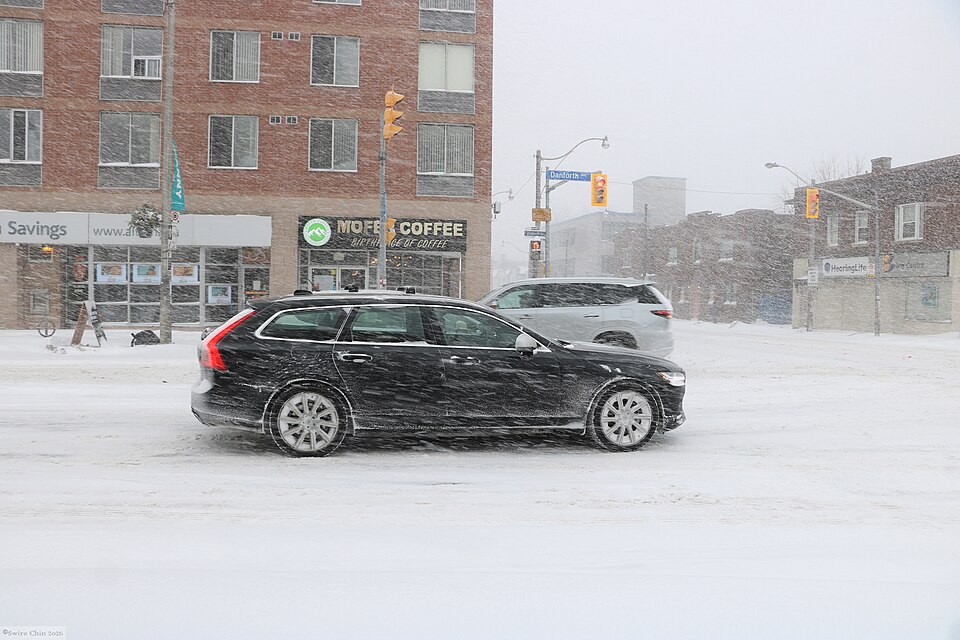
Winter guide: December to February
Toronto's busiest stretch for many kitchens lands in its coldest months. Holiday bookings mean more grease down the line, cold pipes give it less time to stay liquid, and snow covers the lids your carrier needs to open. The rules don't pause for any of it: the four-week, 25 per cent schedule applies in January exactly as it does in July (City of Toronto). Use this planner to stay ahead.
Month by month
| When | What to do |
|---|---|
| Early November | Read your last three service receipts. If the grease and solids figure was near 25 per cent at four weeks, ask your carrier about an extra visit in December. Book December and January dates now. |
| Before the first snow | Mark any outdoor interceptor lid or access cover with a tall stake. Add it to your snow-clearing contract by name. |
| December | Watch for slow sinks after big events and call early. Never use hot water, bleach or enzyme products to "help" a slow drain: the City bans them. |
| Holiday closure | If you close for a week or more, ask whether a service just before closing makes sense, so the unit doesn't sit near full. |
| January | Book the first service of the year and check the receipt against the checklist. File December's paperwork. |
| February | Keep mats at entrances and sweep sand and salt before mopping, so grit doesn't end up in floor drains that feed the interceptor. |
Outdoor checklist
- Access lids clear of snowbanks, parked cars and bins on service day
- Ice chipped from lid edges so it lifts without damage
- Oil and grease containers covered and secured, away from catch basins (City guidance)
- Only rain and snowmelt reach catch basins; never mop water or melted snow from the kitchen
- Spill kit with absorbent material stocked and easy to reach
Find help
Grease trap pumping · Installation & replacement · Line jetting & flushing