Home › Services › Grease trap pumping
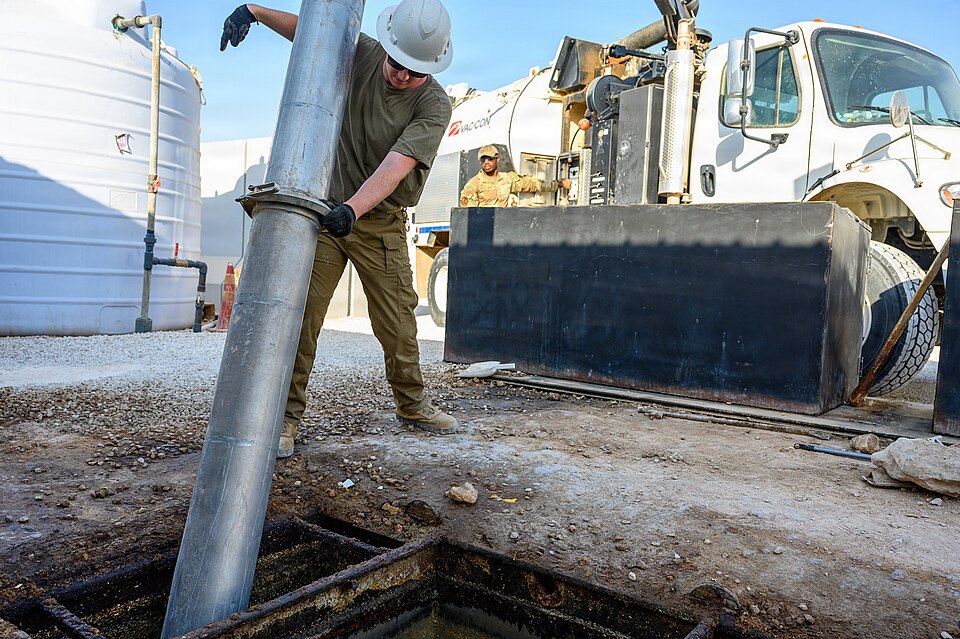
Grease Trap Pumping and Interceptor Cleaning in Toronto
Also called: pump-outs, interceptor cleaning, FOG removal. 4 approved companies listed, in alphabetical order.
The approval this page requires
Toronto's Code of Practice for food service establishments says that, unless a kitchen qualifies to service its own interceptor (a low volume of grease and no stove or fryer), the work must be done by a professional waste carrier approved by the Ministry of the Environment, Conservation and Parks. The pumped waste must also leave with a Ministry-approved carrier.
To be listed here, a company must hold a current Ontario waste approval that we found in the Ministry's Access Environment registry: an Environmental Compliance Approval (ECA) for a waste management system, or a registration in the Environmental Activity and Sector Registry (EASR) for a waste transportation system. Each row shows the number we found and the day we checked it.
Approved companies
| Company | Phone | Based in | Approval we checked | Website |
|---|---|---|---|---|
| Green Oil Inc. | 416-633-8846 | 4490 Chesswood Drive, North York, ON M3J 2B9 | Ontario ECA 3079-8WDLB2checked November 11, 2026 | Website |
| JP Grease Trap Service Inc. | 416-294-6410 | 224 Milvan Drive, Unit G, North York, ON M9L 2A5 | Ontario EASR R-004-1112755394checked November 11, 2026 | Website |
| Prime Grease Trap Cleaning | 416-220-7069 | Not listed on its site | Ontario EASR R-004-7113618188checked November 11, 2026 | Website |
| Walker Grease Trap Services | 416-747-6584 | 290 Garyray Drive, Toronto, ON M9L 1P4 | Ontario ECA A840396checked November 11, 2026 | Website |
Listings are free. A listing is not an endorsement. Spotted something out of date? Tell us.
Is your business approved to pump and clean grease interceptors and not listed here? Email us at [email protected] with your company name, website and your Ontario ECA or EASR number. We check it in Ontario's Access Environment registry and add you. Listings are free.
What a proper pump-out includes
The City's definition is short: servicing means removing the entire contents of the grease interceptor, cleaning it thoroughly and inspecting its components. That rules out the "skim the top and go" visit. On a typical call the technician opens the lid, measures how much of the unit is grease and solids, vacuums out everything (grease cap, water and the sludge on the bottom), scrapes the walls and baffles, checks the inlet, outlet and gaskets, and puts the lid back so it seals. The source is the City's Grease Interceptor Maintenance page.
If a carrier quotes noticeably less than others, ask which of those steps are left out.
How often in a Toronto kitchen
The default for an under-sink or in-floor unit is every four weeks, or sooner if grease and solids reach 25 per cent of the liquid volume, or if grease passes the unit's rated capacity. The City can allow up to eight weeks, but only on the strength of your records. Large in-ground gravity interceptors, the 300 to 2,000 gallon tanks behind bigger restaurants, banquet halls and food plants, are pumped before they pass 25 per cent.
Toronto's restaurant mix pushes a lot of kitchens toward the short end. Fryers, woks, rendered fats and dairy-heavy sauces all load an interceptor faster than a café sandwich counter. Plan around your own receipts, not a neighbour's schedule.
Kitchens that need special handling
- Basement units in older buildings: Much of downtown, Chinatown and the Danforth runs on narrow lots with kitchens in basements. Ask whether the carrier's hose reaches from the street or laneway, and whether they bring a portable pump for long runs.
- Food courts and condo podiums: Several tenants may drain to one shared gravity interceptor. Find out who books and pays for it, and get your own copy of every receipt, because the City expects records on site.
- Food trucks and festivals: Mobile vendors follow a separate section of the Code of Practice. Ask the carrier whether they service mobile units.
Questions to ask before you book
- What is your Ministry approval number, and is it an ECA or an EASR registration?
- Will every receipt show the grease and solids percentage, the unit's condition and the disposal location?
- Where does the waste go, and will I get the disposal company's name, date and quantity?
- Do you scrape and inspect on every visit, or only on some?
- What happens if you find a cracked baffle or a missing lid gasket?
- Can you work outside service hours, and is there a charge for that?
Signs your schedule is too long
Odours near the sinks, slow floor drains, grease on the outlet side of the unit, or receipts that keep showing more than 25 per cent are all reasons to shorten the interval. Don't wait for a backup: if grease reaches the City sewer and causes a blockage, the City charges the cost back to whoever is responsible.
Further reading
- The four-week rule for Toronto grease interceptors (November 11, 2026)